how many calories in a cup of bulgur wheat Bulgur wheat nutrition facts and health benefits
Bulgur wheat is a highly nutritious and delicious grain that is gaining popularity for its many health benefits. Whether you’re looking to improve your overall well-being or simply want to add more wholesome ingredients to your meals, bulgur is definitely worth considering. Let’s take a closer look at the nutritional profile and the numerous advantages this grain has to offer.
The Nutritional Powerhouse of Bulgur
:max_bytes(150000):strip_icc()/bulgur_annotated2-8eff133721b14e7f9b6dd41fb4ea0e78.jpg) Bulgur wheat is packed with essential nutrients, making it a fantastic addition to any diet. Just one cup of cooked bulgur contains approximately 150 calories and provides a good amount of dietary fiber, protein, and carbohydrates. It is also a rich source of vitamins and minerals, including magnesium, iron, and B-vitamins.
Bulgur wheat is packed with essential nutrients, making it a fantastic addition to any diet. Just one cup of cooked bulgur contains approximately 150 calories and provides a good amount of dietary fiber, protein, and carbohydrates. It is also a rich source of vitamins and minerals, including magnesium, iron, and B-vitamins.
The high fiber content in bulgur is particularly beneficial for maintaining a healthy digestive system. It aids in promoting regular bowel movements, preventing constipation, and supporting a healthy weight. Additionally, the fiber helps to regulate blood sugar levels and reduce the risk of developing chronic diseases like diabetes and heart disease.
Furthermore, bulgur is a great source of plant-based protein. Protein is essential for building and repairing tissues, supporting immune function, and providing long-lasting energy. Incorporating bulgur into your meals can be especially beneficial if you follow a vegetarian or vegan diet, as it helps to meet your protein requirements without relying solely on animal products.
The Versatility of Bulgur
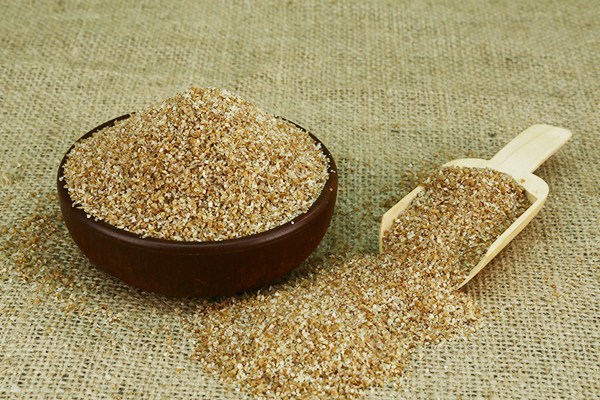 Beyond its nutritional benefits, bulgur wheat is incredibly versatile and can be used in a variety of dishes. Its slightly nutty flavor and chewy texture make it a perfect ingredient for salads, pilafs, stir-fries, and even desserts. You can also use it as a healthier alternative to rice or pasta in your favorite recipes.
One popular way to enjoy bulgur is in tabbouleh, a Middle Eastern salad that combines the grain with fresh herbs, vegetables, and a tangy dressing. Tabbouleh is not only delicious but also packed with nutrients, making it an excellent choice for a light and refreshing meal.
Another delightful option is to incorporate bulgur into soups and stews. It absorbs the flavors of the other ingredients, creating a hearty and satisfying dish. You can also use bulgur as a stuffing for bell peppers or tomatoes for a flavorful and nutritious entrée.
For those with a sweet tooth, bulgur can be transformed into a delightful dessert. Cooked bulgur can be mixed with honey, dried fruits, and nuts to create a wholesome and delicious pudding that satisfies your cravings without the guilt.
Bulgur’s versatility extends to its ease of preparation as well. Unlike some other grains, bulgur cooks quickly, making it a convenient option for busy individuals who don’t have hours to spend in the kitchen. Simply boil it in water or vegetable broth for about 10-15 minutes, and it’s ready to be incorporated into your chosen recipe.
Incorporating Bulgur into Your Diet
Now that you know about the incredible nutritional value and versatility of bulgur, you’re probably eager to start incorporating it into your diet. Luckily, there are countless ways to enjoy this wholesome grain.
You can start by substituting bulgur for other grains in your favorite recipes. Instead of using rice or couscous in your stir-fry or pilaf, replace it with cooked bulgur for a more nutritious and flavorful option. You can also mix cooked bulgur with roasted vegetables and a protein source of your choice for a satisfying and well-rounded meal.
Another excellent way to enjoy bulgur is to use it as a base for grain bowls. Simply top a bed of cooked bulgur with your favorite vegetables, protein, and a delicious sauce for a balanced and delicious meal. The possibilities are truly endless!
It’s important to note that if you have any specific dietary restrictions or health conditions, it’s always a good idea to consult with a healthcare professional or a registered dietitian before making any major changes to your diet.
In conclusion, bulgur wheat is a nutritional powerhouse that offers numerous health benefits. From its high fiber and protein content to its versatility in the kitchen, bulgur is an ingredient worth adding to your repertoire. So why not give it a try and experience the many advantages this delicious grain has to offer?
If you are searching about Bulgur Wheat Nutrition Facts and Health Benefits you’ve came to the right web. We have 5 Pics about Bulgur Wheat Nutrition Facts and Health Benefits like Bulgur Nutrition Facts, Calories, and Health Benefits, Nutritional Value of Bulgur: How Many Calories in Bulgur? – Foods Trend and also Bulgur Nutrition Facts, Calories, and Health Benefits. Read more:
Bulgur Wheat Nutrition Facts And Health Benefits
www.verywellfit.combulgur nutrition calories verywell shytsman
Nutritional Value Of Bulgur: How Many Calories In Bulgur? – Foods Trend
foodstrend.combulgur jahangir
Bulgur Nutrition Facts, Calories, And Health Benefits
:max_bytes(150000):strip_icc()/GettyImages-175395056-58588bc65f9b586e021ed512.jpg) www.verywellfit.combulgur nutrition calories dairy facts benefits health non wheat getty
www.verywellfit.combulgur nutrition calories dairy facts benefits health non wheat getty
25 Low Calories Foods To Support Your Weight Loss Plan - Page 15 Of 26
 veryhealthy.lifebulgur
Bulgur Nutrition Facts: Calories, Carbs, And Health Benefits
/bulgur_annotations-5c255255c9e77c000116e301.jpg) www.verywellfit.combulgur nutrition facts calories benefits health carbs
www.verywellfit.combulgur nutrition facts calories benefits health carbs
25 low calories foods to support your weight loss plan. Bulgur jahangir. Bulgur nutrition facts: calories, carbs, and health benefits